How to Choose the Right Rugby Boots for Your Position

First of all, in rugby they are called boots, not cleats. Now that's settled we can help you pick a new pair of boots.
So you're either getting into rugby or your old worn out boots just aren't doing it anymore. Well you've come to the right place. Your boots are the most important piece of gear you own and your only connection to the ground. Rugby boots can improve traction, comfort, speed, overall performance, and reduce your risk of injury.
This guide breaks down how to choose rugby boots based on your position, playing style, and playing surface. Whether you're a new player trying to upgrade or a veteran that's looking to switch it up, understanding these factors will help you make a better choice.
Why rugby boots matter more than you think
Rugby is a sport that demands constant changes in direction, physical contact, and explosive movements. It’s crucial that players balance speed, strength, and stability at the same time. Because of this, having proper stability and traction is essential for maintaining balance, preventing slips, and performing effectively in both open play and contact situations.
A forward in a scrum requires drastically different boots than a flyhalf that is kicking constantly and both differ from a wing whose main job is to sprint down the sideline. Each position group has unique demands, making it important to choose boots that match the specific movement and responsibilities of the role.
What you really want to avoid
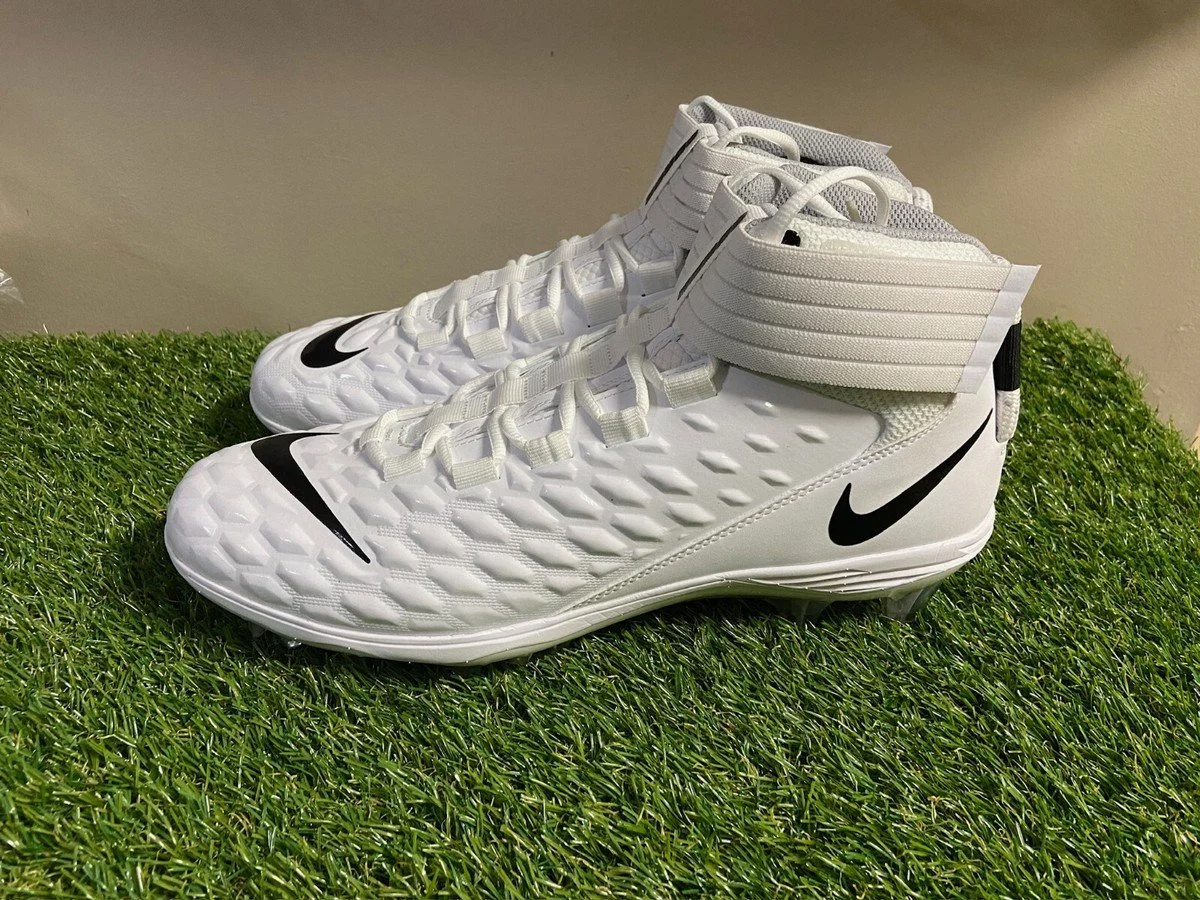
Football style ankle boots offer too little ankle flexibility and will be uncomfortable for all rugby players. You want some ankle support, but this hard high top design is excessive and limits movement necessary for rugby players. In high school it was common to see football players wear these all the time when they first started playing, but many realized the lack of flexibility made them less comfortable and slower on the field.

I know everyone loves a good deal, but buying some $30 knock off boots from amazon is just a waste of money. They may look cool and have decent reviews, but these are the last thing you want on your feet during a match. They are flimsy, offer minimal support, and they will fall apart the second you make a hard cut. Investing in a higher quality pair of boots will cost more upfront, but will provide better comfort, performance, and longevity, making it the smarter choice in the long run.
Boots By Position

Forwards
Forwards require a lot more stability, traction, and durability than most other players. With scrumming, rucking, and mauling being a large part of their game, strong footing is crucial to maintain power and balance in contact situations. You never want your boots to be the reason you lose a set piece.
Because of this, I would recommend an 8 stud configuration with replaceable studs. Replaceable studs allows players to adjust for different playing surfaces and easily swap out worn down studs throughout your boots lifespan. Canterbury is going to be the gold standard for durable, simple, and strong boots.
Key features to look for:
8 stud configuration
Bulkier durable design
Strong ankle support
Backs
Backs prioritise speed, agility, lightweight design, and a smooth upper for kicking as they spend more time running in open space, cutting, accelerating, and kicking. Because their roles involve these quick movements and bursts of speed, bulky or heavy boosts can limit performance.
Scrum and fly halves usually benefit from sturdy balanced boots that are lightweight, but still provide good traction. These positions rely heavily on quick footwork, accurate kicking, and long passes, so stability is essential.
Centres need a bit more durability as they are involved in a lot more contact than other backs.
Wings and full backs prefer the lightest boots possible as their main job is to be fast.
Key features to look for:
Lightweight design
Smooth toe box and low profile laces
6 stud configuration
Flexabile
Low cut boots for mobility
I would still recommend studded boots, but 6 studs will be fine for a back. I would definitely recommend plastic studs for most playing scenarios. You can wear high quality soccer boots, but the traction and durability won't be the same especially on softer grass.
Playing surface
The type of boots you wear or more so studs depends a lot on your playing surface.
Grass
On grass you will mostly want metal studs that are able to dig into the ground and give you the best traction possible. The wetter the field the longer you want your studs to be, but if the dirt is very dry then long studs will make you slip as they won't break through the hard ground.
Turf
On turf you are always going to want shorter plastic studs as they are less prone to slipping than metal studs. They also are a lot more comfortable on a harder turf field as they have some flex and give to them. Turf is the only surface I would really recommend soccer boots as they are made for the conditions.
Metal studs are ideal for:
Getting traction on slippery grass and mud (long studs)
Breaking through hard dirt to gain traction (short studs)
Digging into the ground for scrums and rucks
Plastic Studs help:
Prevent slipping
Prevent injury
Improve comfort
Fit
Comfort is one of the most important aspects of your boots. Poorly fitting or made boots can lead to blisters, adapted running style, reduced performance, and just overall discomfort.
Some key things to consider
boots should be snug when laced up, but not tight
There should be some slight room in the toe box
Wider boots are mandatory is you have wide feet
You should practice in your boots for at least a few hours before you play in them
Sometimes you'll be wearing boots for 6 hours at a time at 7’s tournaments so it's important that they fit well and are comfortable. Also you just play better when you're not thinking about your boots the whole time.
Final Thoughts
Choosing the right rugby boots comes down to understanding your position, playing style, and the surfaces you play on most. Forwards should prioritize stability, traction, and durability, while backs should focus more on speed, agility, and lightweight design. The right pair of boots can improve performance, increase comfort, and reduce the risk of injury over the course of a long season.
And if you're still lost I have a few recommendations down below or you can always look up what your favorite pro player in your position wears.
Forward Top Picks
Canterbury Stampede - Tight 5
Adidas Kakari Elite - Tight 5
Canterbury Phoenix - Back Row
Back Top Picks
Adidas RS-15 - Kickers
Mizuno Morelia Neo IV - Speed
Oxen Medastock - Change of direction
